We Are What We Eat. But How Safe Is Our Food?
The common saying “we are what we eat” carries undeniable truth. The food we consume fuels our growth, strengthens our bodies, and supports our overall well-being. That is why eating a healthy, balanced diet is consistently encouraged as a cornerstone of a healthy life.
However, beyond eating well, there is an equally important aspect that often receives less attention: food safety. Ensuring that what we eat is safe from harmful contaminants is essential. Food contamination can occur in many forms, but biological and chemical contamination remain among the most concerning.
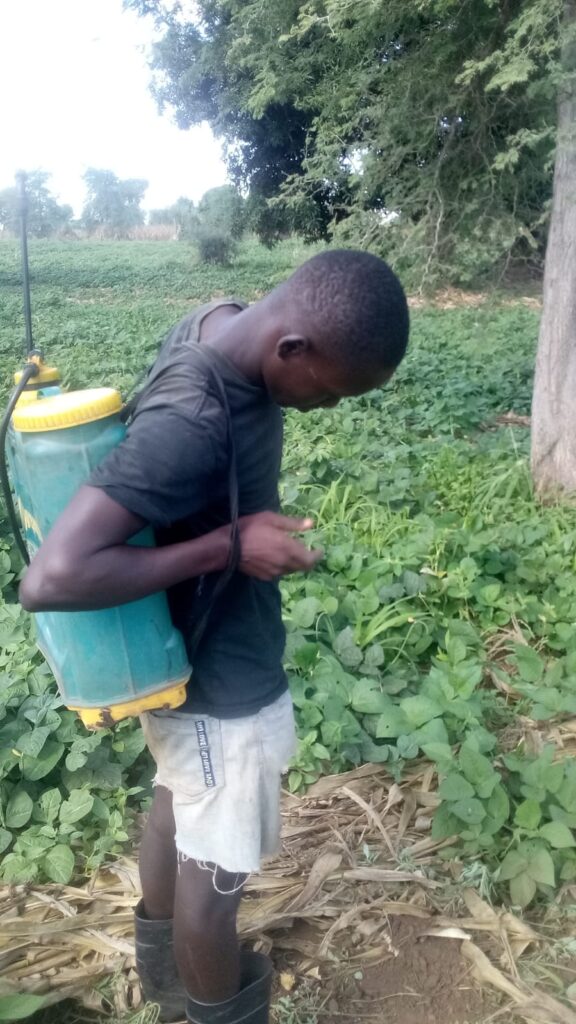
A significant portion of chemical contamination occurs long before food reaches our plates. From production to consumption, chemicals—especially pesticides—are widely used to protect crops from pests. It is estimated that around 70% of farmers use chemical pesticides in one way or another. In Malawi, the use of such chemicals is especially common in the Lilongwe Plain, Shire Highlands, and lakeshore districts, including Salima. Their prevalence has further increased with the introduction of pesticides and herbicides into the Farm Input Subsidy Programme.
Yet numerous reports highlight the dangers that these chemicals pose to human health. After pesticides are applied, chemical residues remain on crops. And while these chemicals are effective at killing pests, it raises a critical question: If they can kill living organisms, how safe are they for human consumption?
Although the risk from eating a single fruit or vegetable containing residues may be low, the real danger lies in the long-term exposure to multiple pesticide residues over a lifetime. This “cocktail effect” of small, repeated doses has been linked to chronic health problems such as increased cancer risks and endocrine (hormonal) disruption.
Our health may be at risk if we continue to rely heavily on chemically grown foods. But the good news is that nature offers a safer alternative.
This is where biopesticides come in.
Nthali is actively working with youth and women farmers to promote a shift from chemical pesticides to organic, nature-based pest control solutions. This transition not only supports the production of chemical-free food but also protects the environment, improves soil health, and enhances biodiversity.
By embracing safer, sustainable farming practices, we can safeguard our health, our communities, and our environment—because truly, we are what we eat.